
My first memory of music
My first memory of music is not tied to a particular song. It is tied to home.
My father was a DJ and radio host. He started at Czech Radio Hradec Králové, later broadcast from Černá hora, and spent the last years of his life at Radio Metuje in Náchod.
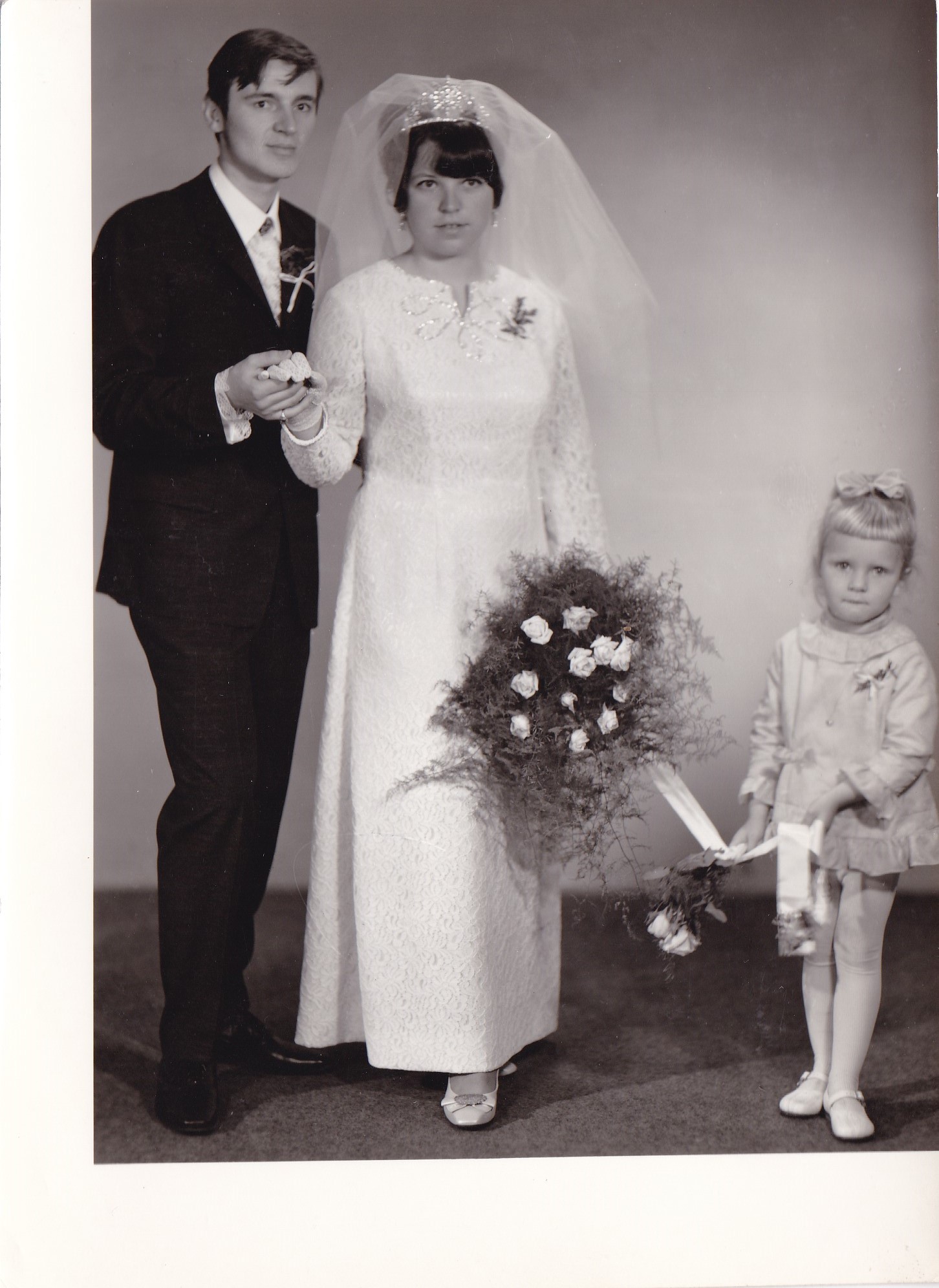
Music was a natural part of our life. All around us were vinyl records, tape recorders, microphones and gear. As a little boy I would sit by an old gramophone that my grandparents kept as a piece of furniture. I wished so much that it would work — but it was already broken.
Then came my first attempts with a paper gramophone from ABC magazine. You had to spin the record by hand, but to me it felt like magic.
The first real machine on which I could listen to my own music was a Hungarian MK27 tape recorder.
Back then I still had no idea that music would not remain just a hobby. It would become part of my whole life.
How it all began
I hosted my first disco in 1986. I was sixteen.
It was not in any big club. It was a cultural centre in Dvůr Králové nad Labem, where students from two boarding houses would gather.
There were about two hundred people in the hall.
The equipment was simple. A local mixing desk, two cassette decks, one reel-to-reel recorder, and two friends who shared the same enthusiasm.
We even discovered that neither microphone worked.
So my friend just whistled, smiled and said:
“Sorry — the microphones don’t work. The fun starts now.”
We put on the first song.
The dance floor filled at once.
I don’t remember exactly which track played first. Maybe Modern Talking, maybe Madonna or Bad Boys Blue. But I remember exactly what I felt.
It was not fear.
It was not nerves.
It was pure joy that the music was beginning — and that we could shape the whole evening.
After about two months I began hosting discos regularly at the SSM Trend club in Trutnov.
From 1986 to 1990 I stood behind the mixing desk there almost every week.
The club was not large, but it was often full.
In summer it was hot inside, there was no air conditioning, we made lights from whatever was at hand, and by the end of the night the back walls were wet with sweat.
People moved between the dance floor and the bar, laughed, danced, met each other — and I was enormously lucky to be part of all those evenings.
At the time I still thought the most important thing was choosing the right songs.
It took me about two years to understand that the most important thing is people.
Music taught me how to look at people

The turning point came unexpectedly.
Once I arrived as a guest to host a disco.
The organisers had invited me, but one of the local students insisted he would play instead of me. He wanted to prove he could handle the evening alone.
I let him.
After a few minutes I could feel the floor losing energy. The music was playing, but people were stopping responding to it.
I said I would go home.
The organisers stopped me, asked him to step aside, and I continued where the evening had started to lose its breath.
That was the first time I fully understood that a DJ does not just play songs. He leads the mood of the whole room.
Of course I made mistakes too.
Sometimes I chose the wrong track and the floor emptied within moments.
But I learned not to panic. It was enough to stay calm, respond well, and within a few minutes people would come back.
Once I even got an electric shock when, mid-set, I switched on a damaged light hose without a cover. The microphone flew straight out of my hand — but the evening went on.
And then there were moments you never forget.
Boys would come up and ask if I would play a slow song, because they liked a particular girl.
At the right moment, I played it.
The rest was up to them.
That was when I understood that music sometimes connects people more than words.
Today I no longer read the dance floor the same way I did forty years ago.
People do not dance from the first track.
You notice it differently.
Someone starts tapping a foot.
Someone else sways by the bar.
Someone smiles at their partner.
And children?
They are still the same.
They do not yet care what others think of them.
As soon as the music reaches them, they simply start dancing.
And that is why I never watch only the dance floor.
I watch the whole room.
Because music is not only about who is dancing right now.
Music is about how people feel.


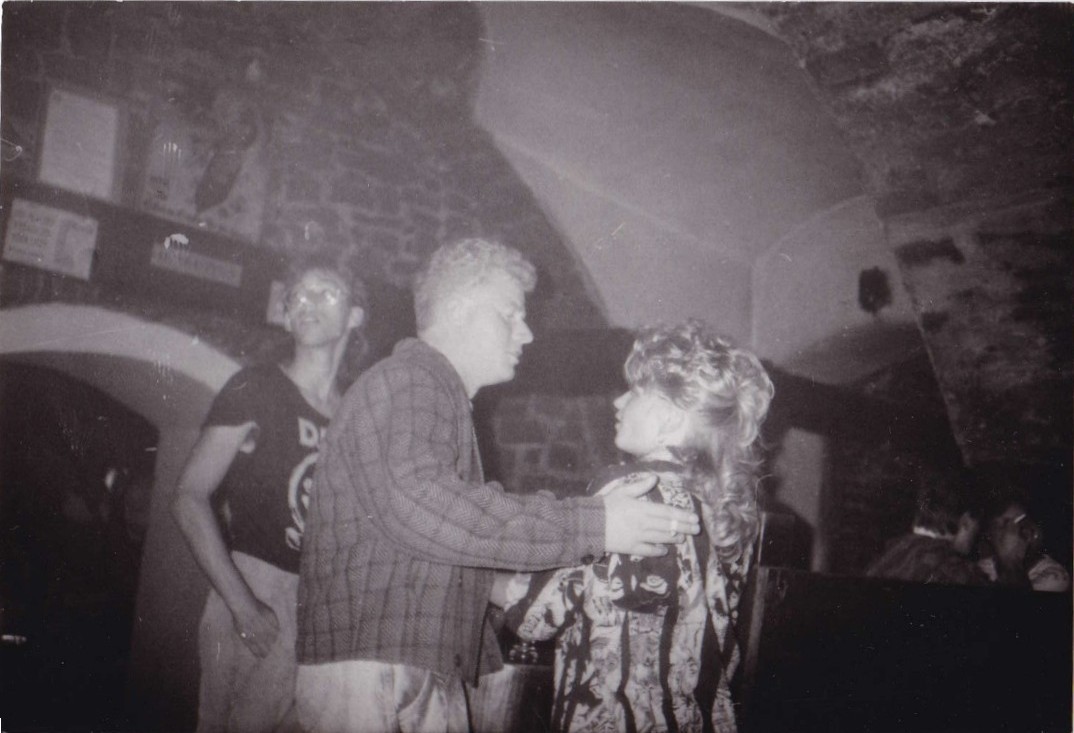
Why I still stand behind the mixing desk
After so many years, people sometimes ask whether I still enjoy it.
The answer is simple.
Yes.
Before every event I look forward to what its atmosphere will be. I look forward to meeting new people and becoming part of their story.
Whether it is a ball, a wedding, a company party or a birthday celebration — every evening is different.
When I pack up the gear at the end, people often come over, shake my hand, thank me and tell me how they enjoyed the night.
In those moments I do not feel as if I am saying goodbye to clients.
I feel as if I am saying goodbye to people I have known far longer than a single evening.
And if a sixteen-year-old boy who is standing behind a mixing desk for the first time came to me today, I would tell him only this:
“A wonderful journey awaits you. Enjoy every minute of it.”
Frequently asked questions
How long have you been working as a DJ?
Music has been with me practically all my life. I discovered my first turntable as a boy at my parents' home, and that is when my fascination with the world of music began. I hosted my first public discos in 1986 and have been DJing continuously ever since.
Over that time the technology and musical trends have changed, but one thing has stayed the same — the joy of watching people enjoy themselves through music and leave for home with beautiful memories.
Why did you become a DJ?
I never wanted to be just someone who plays music. From the beginning I was drawn mainly to how the right track can change the atmosphere of an entire room. When I see guests smiling, singing familiar songs together, or returning to the dance floor even if they did not want to dance at first, I know my work has meaning.
After so many years, what I still enjoy most about this profession is the contact with people. Every wedding, celebration or corporate evening has its own story, and being part of it is why this work continues to fulfil me.
What music do you like playing most?
I listen to a wide spectrum of music and approach my events the same way. I do not have one style I push at all costs. What matters more to me is the atmosphere of the evening and the people on the dance floor.
At every event I try to find the right balance between the organisers' favourite tracks, well-known hits and music that naturally draws every generation into the fun. Variety and a feel for the right moment are what I consider among the most important parts of a DJ's work.
What do you enjoy most about being a DJ?
My greatest joy comes from the moments when I can see people truly enjoying the evening. Every event has its own atmosphere, and being part of it still excites me after many years.
Music can bring people together regardless of age. When different generations meet on the dance floor, sing familiar songs together and leave for home smiling, that is the best reward for me. It is because of these moments that working as a DJ still fulfils me.